Custom shading solutions.
Exterior shading and Hunter Douglas interior shades, measured, specified and installed by the people you meet. Explained plainly, with the detail your builder or architect will want.
Your patio, reclaimed
A roof covers you at noon. The trouble with a Texas patio starts later in the afternoon.
A completed Aperture & Co. installation.
- The glare
- Low western sun comes in sideways, lands on the floor and bounces off every hard surface. It is hard to enjoy a view you are squinting at.
- The heat
- The same sun heats the stone and the cushions. A solar screen stops much of that heat at the opening, before it reaches the space behind it, so the patio stays usable through a Texas summer.
- The bugs
- Mosquitoes arrive at dusk, just as it finally cools off. A motorized screen rides in side channels on each post, so its edges are sealed. Lowered, the patio is bug-proof.
Lower a screen, and the best room in the house is yours again at the hour you would actually use it.
II
Then the screen comes down.
Afternoon glare or evening mosquitoes: one motorized screen handles both.
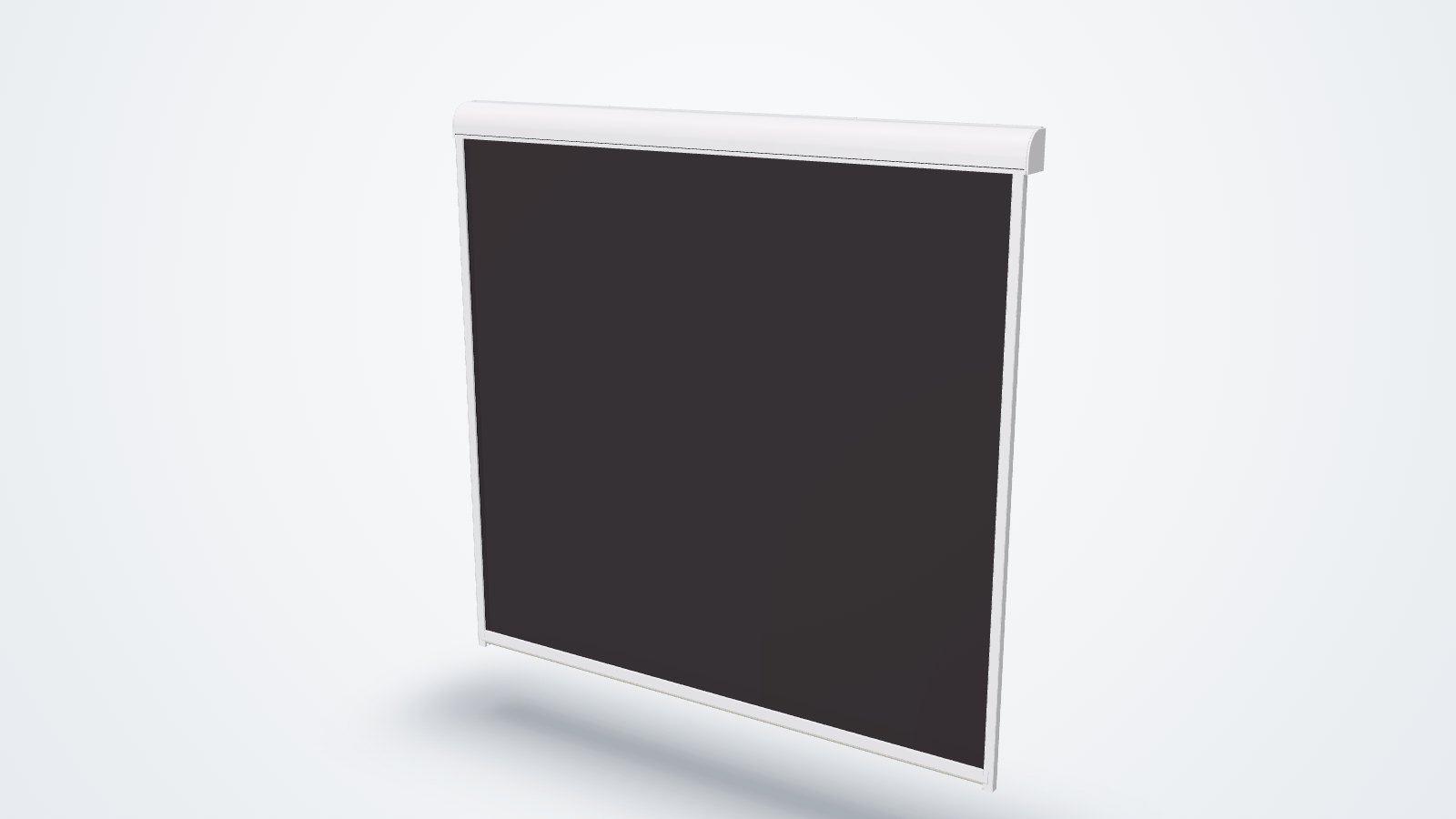
Each opening gets its own motorized roller unit, surface-mounted at the head of the opening. One press, and the screen rolls down.
The edges run in side channels down each post. There are no gaps, so the screen stays put in a breeze and keeps insects out.
The glare on the floor softens, the heat drops, and the trees stay in view.
Your scroll was the motor. Now try the remote.
Light filtering
- View out
- Daytime privacy
- Sun and glare
- Breeze
How much light a screen filters comes down to one number, its openness factor. A 5% weave is 5% open and 95% fabric.
At 1%, a screen is close to blackout: the least light, the least view, the most privacy. At 10% it reads like lightly tinted glass, with more view and more breeze.
Color matters as much as the number. Dark fabric absorbs glare, so the view through it looks crisper. Light fabric reflects more heat, but from inside it looks brighter and hazier.
If you are specifying for a project: openness, fabric color and opening size together set solar control and daytime privacy, so we confirm them for each elevation's exposure.
An illustration, not a lab reading. Your eyes adjust in real light, so screens look more open in person. That is why we bring samples to every consultation.
Inside the house
The same western light reaches your living room. Soften the light. Keep the view.
Interior shades, chosen for what each room has to do: filter glare, add privacy, keep heat out, or disappear when you do not need them.
Interior projects begin at five to six shades, so the whole home is specified together and everything matches from room to room.
-
Privacy sheers
Soft fabric vanes on a sheer. Turn them for privacy, draw them aside for the view.
Best for Sliding doors, tall windows, wide glass.
-
Honeycomb shades
Cells of trapped air between fabric layers.
Best for Bedrooms and west windows that hold heat.
-
Sheer shadings
Soft fabric vanes floating between two sheers.
Best for Living rooms where you want the view and gentle light.
-
Roller shades
One clean panel that rolls away out of sight.
Best for Modern rooms, media rooms, wide glass.
-
Roman shades
Tailored folds of fabric.
Best for Dining rooms, studies, anywhere warmth matters.
-
Motorization
Shades that move on a schedule, a remote or your phone.
Best for Tall windows, many windows, or anyone who'd rather not think about it.
Studio
Tap a part to see how it works, then make it yours.
How a project runs
-
1
We come to you.
A complimentary consultation at your home, ideally at the hour the light bothers you most.
-
2
Samples in your own light.
Fabrics held up in your actual windows and openings, because colour shifts outdoors and across a day.
-
3
Measured and made to fit.
Every screen and shade is built to your measurements, not cut down from a stock size.
-
4
Installed, then handed over.
Our installer fits it, tests it, and shows you how the remote works before leaving.